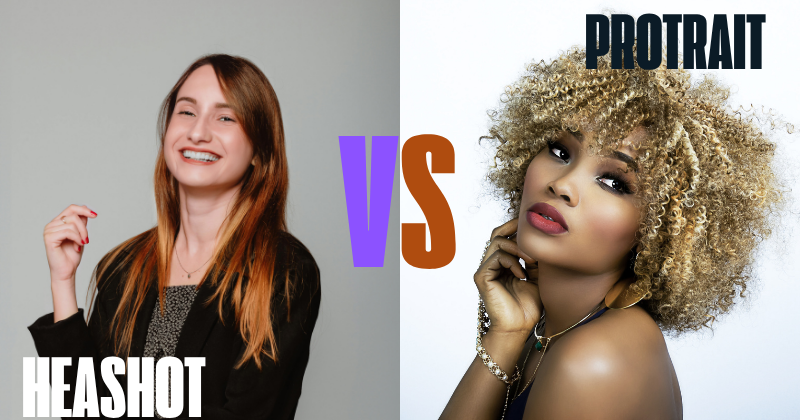
In the world of professional photography, headshot vs portrait retouching is a common point of confusion. While both involve enhancing images to look their best, they serve different purposes and follow different editing approaches. A headshot is typically a tightly cropped image focusing on the face and shoulders, intended for professional use, while a portrait often includes more of the subject’s body and environment, aiming to convey personality, mood, or a story.
Understanding the difference between headshot vs portrait retouching is crucial if you want your final images to align with their purpose. Whether you’re preparing a polished LinkedIn profile picture or an artistic family photo, knowing these distinctions will help you choose the right retouching style and achieve the results you need.
What Is Headshot Retouching?
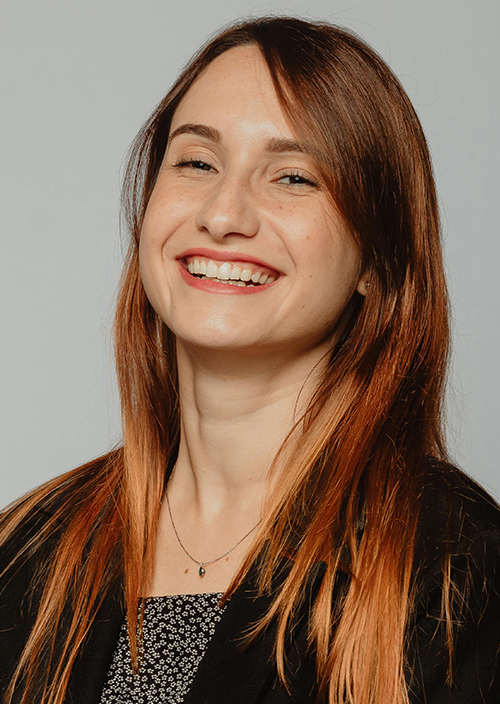
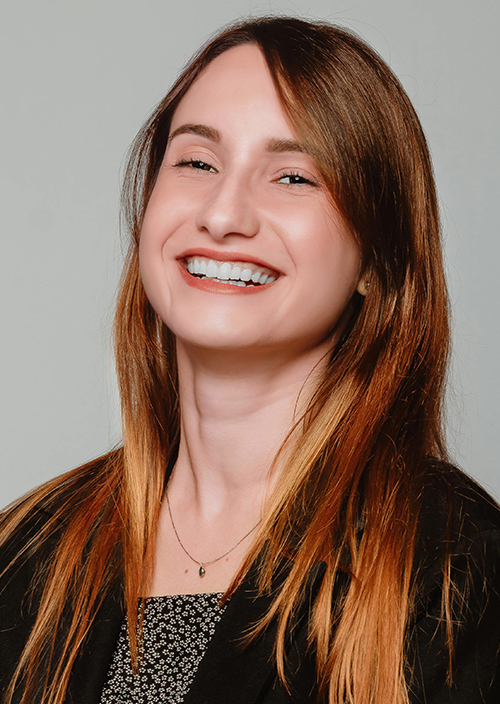
Headshot retouching is a professional image-editing process focused on enhancing close-up shots of the face and shoulders. In the context of headshot vs portrait retouching, headshot work is designed to maintain a natural yet polished look, ensuring the subject appears approachable, confident, and professional.
This type of retouching typically involves:
- Skin tone correction for a smooth and even complexion.
- Blemish and stray hair removal without over-editing.
- Lighting and exposure adjustments to flatter facial features.
- Background clean-up or blurring to remove distractions.
Headshot retouching is most often used for corporate profiles, LinkedIn, acting and modeling portfolios, and other situations where a clean, distraction-free presentation is essential. The goal is subtle enhancement — the subject should look like the best version of themselves, not like a heavily altered image.
What Is Portrait Retouching?
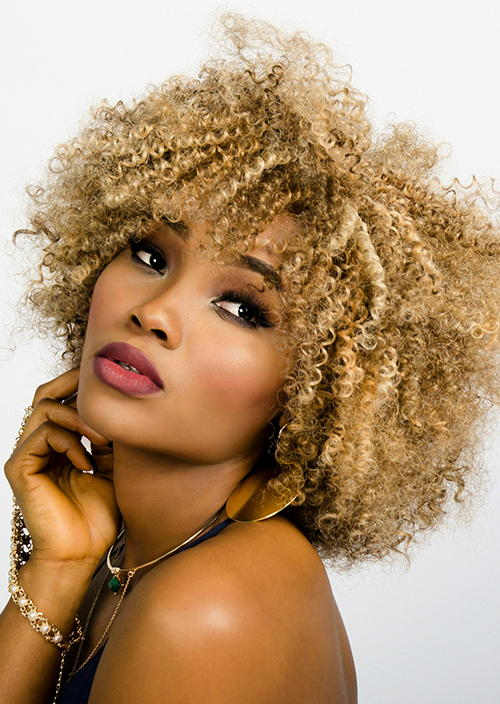
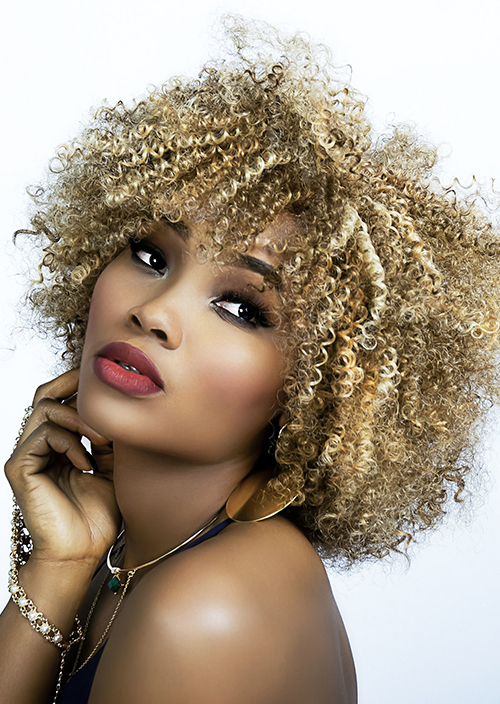
Portrait retouching is the process of enhancing images that capture more than just the face — often including the upper body, full body, or even groups of people, along with their surroundings. In headshot vs portrait retouching, portraits tend to focus on storytelling, mood, and artistic style rather than just professional polish.
This type of retouching may include:
- Skin smoothing and tone balancing while preserving natural texture.
- Color grading to create a specific mood or artistic effect.
- Enhancing the background instead of removing it.
- Sharpening details in clothing, props, and environmental elements.
Portrait retouching is common in family photography, wedding photography, lifestyle shoots, and creative projects. The edits can range from subtle and natural to dramatic and highly stylized, depenest version of themselves, not like a heavily altered image.
Headshot vs Portrait Retouching: Side-by-Side Comparison Table
When comparing headshot vs portrait retouching, the easiest way to see the differences is by placing them side by side. While both aim to enhance the image, their focus, style, and editing techniques vary significantly.
| Feature | Headshot Retouching | Portrait Retouching |
| Focus Area | Face and shoulders, tight framing | Full body, group shots, or creative compositions |
| Purpose | Professional branding and presentation | Artistic expression, storytelling, and emotional impact |
| Editing Style | Clean, subtle, and natural | Creative, stylized, and sometimes dramatic |
| Background Treatment | Minimalist or blurred for distraction-free look | Enhanced or emphasized to support the story |
| Turnaround Time | Usually faster due to simpler edits | May take longer due to complex details |
This comparison highlights that headshot vs portrait retouching is not just about cropping or image size — it’s about the intent, style, and level of creative enhancement involved.
Key Differences Between Headshot vs Portrait Retouching
While they may share some basic editing techniques, headshot vs portrait retouching differs in several important ways. Understanding these distinctions will help you choose the right style for your needs.
1. Purpose & Intent
- Headshot retouching focuses on presenting a polished, professional image for business, acting, or modeling purposes.
- Portrait retouching aims to convey personality, emotion, or a story, often blending artistic and stylistic edits.
2. Framing & Composition
- In headshot vs portrait retouching, headshots are tightly cropped, usually from the shoulders up.
- Portraits can include the entire body, multiple subjects, and environmental elements.
3. Editing Approach
- Headshots require subtle, natural adjustments to maintain authenticity.
- Portraits may involve creative enhancements like dramatic lighting effects or color grading.
4. Background Treatment
- Headshot retouching often simplifies or blurs the background to keep focus on the subject’s face.
- Portrait retouching incorporates the background into the story, making it a part of the visual impact.
5. Time & Complexity
- Headshot edits are generally quicker due to a smaller focus area.
- Portrait retouching can be more time-consuming because of multiple elements in the frame.
6When to Choose Headshot Retouching
In the headshot vs portrait retouching decision, you should opt for headshot retouching when your primary goal is to create a professional, distraction-free image that focuses on your face. This style is ideal when you want to appear approachable, confident, and polished without looking overly edited.
You should choose headshot retouching if:
- You need a LinkedIn profile photo or company website image.
- You’re building an actor or model portfolio.
- You want a consistent look for corporate team photos.
- You require clean, minimal backgrounds that keep attention on your facial features.
Headshot retouching ensures your image works across different professional platforms, giving a uniform and credible appearance while avoiding unnecessary stylistic distractions.
When to Choose Portrait Retouching
In the headshot vs portrait retouching comparison, portrait retouching is the better choice when you want to capture more than just a professional look — you want to tell a story, convey emotion, or showcase a creative concept. This style allows for more artistic freedom and can incorporate both the subject and their surroundings.
You should choose portrait retouching if:
- You’re creating family, couple, or group portraits.
- You want wedding or event photography with emotional depth.
- You’re building a creative or lifestyle photography portfolio.
- You want the background and environment to enhance the image’s story.
Portrait retouching provides room for stylistic effects like dramatic lighting, artistic color tones, and environmental enhancements, making it ideal for personal, artistic, or commemorative projects.
Common Misconceptions About Headshot vs Portrait Retouching
Many people assume headshot vs portrait retouching only differs in how much of the subject is visible, but there’s more to it than cropping. Misunderstandings about these two styles can lead to choosing the wrong retouching approach for your needs.
Misconception 1: They Use the Same Editing Techniques
While both involve skin correction and color adjustments, headshot retouching focuses on subtle professional polish, whereas portrait retouching often uses creative or dramatic enhancements.
Misconception 2: A Portrait Is Just a Zoomed-Out Headshot
Portraits involve composition, lighting, and background integration, not simply taking a headshot and widening the frame.
Misconception 3: Headshots Are Always Boring, Portraits Are Always Artistic
Headshots can be creative within professional boundaries, and portraits can be minimal and clean depending on the project goals.
Misconception 4: The Turnaround Time Is Always the Same
In headshot vs portrait retouching, headshots are usually quicker to edit due to their simplicity, while portraits may require more time because of environmental and creative elements.
Final Verdict: Choosing Between Headshot vs Portrait Retouching
When it comes to headshot vs portrait retouching, the right choice depends entirely on your purpose and the message you want your image to convey.
If you need a clean, professional, and distraction-free image for work, acting, or corporate branding, headshot retouching is the way to go. It focuses on subtle enhancements that keep the attention on your facial features and present you in the most polished yet natural way possible.
If your goal is to create an image that tells a story, captures emotion, or emphasizes a particular environment, portrait retouching will give you the creative flexibility you need. It allows for artistic edits, mood-driven color grading, and detailed background enhancements.
Bottom line: Choose headshot retouching for professionalism and simplicity; choose portrait retouching for artistry and storytelling. Understanding the differences in headshot vs portrait retouching ensures you get results that align perfectly with your vision and purpose.
FAQ: Headshot vs Portrait Retouching
Can portrait retouching be used for professional purposes instead of headshot retouching?
Yes, but it depends on the context. While portrait retouching offers more creative freedom, professional settings usually require the clean and subtle look of headshot retouching to maintain a polished appearance.
Is headshot retouching generally faster than portrait retouching?
Yes, because headshot retouching focuses on a smaller area—the face and shoulders—and involves fewer elements, it usually takes less time compared to the detailed and often complex edits in portrait retouching.
Can I request both headshot and portrait retouching styles from the same photoshoot?
Absolutely. Photographers often capture a range of shots during a session, allowing you to choose images for both headshot and portrait retouching based on your needs.
Does background treatment differ significantly between headshot vs portrait retouching?
Yes, background treatment is minimal or blurred in headshot retouching to keep focus on the subject, while portrait retouching often enhances the background to support the overall story or mood.
Are the prices different for headshot vs portrait retouching?
Typically, yes. Because portrait retouching is more time-intensive and creative, it usually costs more than headshot retouching, which is quicker and more standardized.