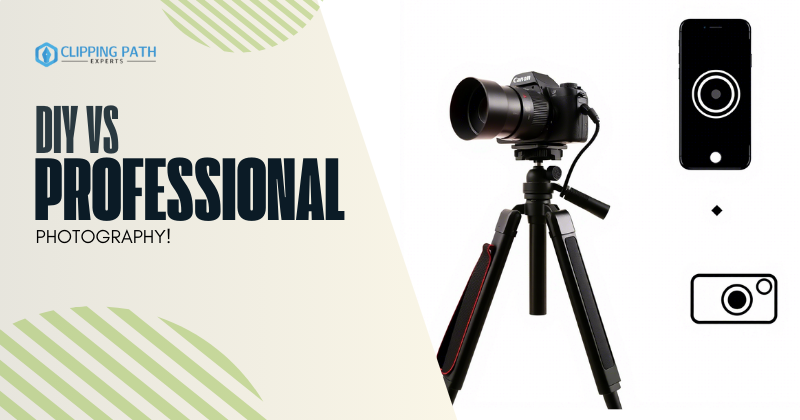
In today’s competitive market, saving money often feels like the smartest move. Why not just take your own photos, skip the hefty photographer fees, and keep more cash in your pocket? That’s why many small businesses, startups, and influencers opt for DIY photography over hiring a professional.
But here’s the hidden truth: when it comes to DIY vs professional photography , the money you think you’re saving upfront could be costing you in lost sales, damaged branding, and wasted time.
In this post, we’ll uncover the real cost of DIY photography—and how investing in pro photography can skyrocket your business growth.
The Appeal of DIY Photography
Let’s be honest: DIY photography is tempting. Smartphone cameras today are powerful, and editing apps like Lightroom Mobile, Canva, and Snapseed make touch-ups seem easy. You can buy cheap lightboxes and create a home studio setup with minimal effort.
For new businesses or personal brands, this feels like a quick win. After all, why invest in professional lighting techniques or rent a professional studio when smartphone photography can seem “good enough”?
This is the allure of DIY vs professional photography —but it’s often a false economy.
The Hidden Costs of DIY Photography
When comparing DIY vs professional photography , the biggest trap is what you don’t see right away. Let’s dive into some hidden costs:
1. Poor Image Quality
Without high-resolution images, expert lighting, and trained composition, DIY photos often lack sharpness and clarity. Dark shadows, blurry focus, and inconsistent colors hurt your visual marketing strategy.
Blurry or poorly framed images hurt brand perception—pro photographers master composition and sharpness.
2. Time Drain
You spend hours learning, shooting, editing, and re-editing—precious time that should be spent growing your business. Budget-friendly photography might sound appealing until you realize the hours wasted.
3. Brand Damage
Your images are the first impression many customers get. Low-quality DIY photos can create a poor brand perception, making your business seem cheap or unreliable. First impressions matter more than ever in the digital world.
4. Lost Sales and Conversions
E-commerce product presentation hinges on visuals. Poorly shot images reduce click-through rates and lower trust. A Shopify study showed that upgrading to high-resolution product images boosted conversions by 35% .
When it comes to conversion rate optimization (CRO) with images, quality wins every time.
Pricing Comparison: Is Professional Photography Worth It?
When debating DIY vs professional photography , one of the biggest concerns is cost. Let’s break down the numbers to see how investing in professional photography stacks up against DIY efforts—and why it’s often worth every penny.
DIY Photography Costs
While DIY photography might seem “free,” there are hidden expenses and limitations:
- Equipment: A decent smartphone camera might suffice, but for better results, you’ll need additional tools like a ring light ($30–$100), tripod ($20–$50), or even a lightbox ($40–$100). Over time, these costs add up.
- Time Investment: Learning photography basics, setting up shots, editing photos, and troubleshooting mistakes can take hours—time you could spend growing your business.
- Results: Despite the effort, DIY photos often lack the polish and professionalism needed to stand out in today’s competitive market.
Estimated Total Cost: $0–$200 upfront, plus countless hours of your time.
Professional Photography Costs
Hiring a professional photographer requires an upfront investment, but the long-term benefits far outweigh the costs:
- Session Fees: Depending on your location and the scope of the project, session fees typically range from $500 to $2,000+ .
- Editing & Retouching: Many photographers include post-processing in their packages, ensuring your images are optimized for web, print, and ads.
- Usage Rights: You own high-quality, versatile images that can be repurposed across multiple platforms (website, social media, ads, etc.) for years.
Estimated Total Cost: $500–$2,000+ upfront, with minimal ongoing costs.
ROI Breakdown
Let’s compare the return on investment (ROI) for both options:
| Option | Upfront Cost | Time Investment | Long-Term ROI |
|---|---|---|---|
| DIY Photography | Free – $200 | High | High boosts sales, trust, and brand recognition |
| Professional Photography | $500 – $2,000+ | Low | High; boosts sales, trust, and brand recognition |
Real-Life Example:
A small online boutique spent $1,200 on professional product photos. Within six months, their conversion rate increased by 35% , resulting in an additional $8,000 in revenue . That’s a 667% ROI —a game-changer for their business.
When DIY Makes Sense
If you’re just starting out and truly can’t afford professional photography yet, here are some tips to improve your DIY efforts:
- Use natural lighting near windows instead of artificial lights.
- Invest in affordable tools like a portable reflector or basic tripod.
- Stick to simple, clean backgrounds to avoid distractions.
- Learn basic editing techniques using free tools like Snapseed or Canva.
However, always remember: these are temporary solutions. Once your business grows, upgrading to professional photography is essential to maintain credibility and maximize sales.
Why Hiring a Professional Photographer Changes Everything
Now, let’s look at the winning side of DIY vs professional photography . Hiring a pro isn’t just about “better-looking” pictures—it’s about boosting your business’s bottom line through superior imagery.
1. Visual Storytelling
Professional photographers master image composition and framing. Your photos won’t just show a product—they’ll sell a feeling and build customer trust through visuals.
Example: Imagine selling handmade candles. A professional photographer captures the soft glow of candlelight against a cozy backdrop, evoking warmth and relaxation. This emotional connection drives action.
2. Consistency Across Channels
Pro photography gives you a cohesive, polished look across your website, social media, ads, and catalogs. This kind of consistent branding dramatically improves engagement and recognition.
3. Expert Editing and Retouching
From perfecting skin tones to optimizing for web performance, professional photographers handle color grading, retouching, and post-processing—delivering web-optimized formats that DIY often misses.
4. SEO-Optimized Images
Professionals properly size, compress, and tag images, boosting website SEO—a critical factor for e-commerce success. They also ensure fast loading times, reducing bounce rates and improving user experience.
How Professional Photography Boosts Sales
Still debating DIY vs professional photography ? Here are some real results:
- High-quality visuals increase product understanding by 94% .
- Consumers are 60% more likely to consider a business with polished imagery.
- Companies upgrading from amateur photos to professional photos saw 30-45% more sales within six months.
Whether you sell products or services, maximizing ROI from photography isn’t a nice-to-have—it’s a must. Perceived value directly ties to visual presentation. If you want to stand out from competitors, professional photography is the proven path.
Case Study: Sarah, a jewelry designer, struggled with stagnant sales using DIY photos. After hiring a professional photographer, her website traffic increased by 50% , and her revenue doubled in just three months.
Should You DIY or Hire a Professional?
Still torn? Ask yourself:
- Do my photos create emotional connections that drive action?
- Am I confident my DIY shots offer sharpness, clarity, and professional lighting quality?
- Is my brand’s success worth risking on a budget-friendly photography approach?
If you’re serious about conversions, branding, and growing your bottom line, knowing when to hire a photographer becomes obvious. There are clear signs you need professional photos—low engagement, poor ad performance, or inconsistent visuals are just a few.
Key Insight: The debate around DIY vs professional photography ultimately boils down to priorities. While DIY might save money initially, professional photography ensures your visuals align with your brand’s goals and resonate with your audience.
A Smart Hybrid Approach
Many businesses today use a blend:
- DIY photography for casual social media posts where quantity matters.
- Professional photography for product launches, website assets, and ad campaigns.
Additionally, you can repurpose professional images across different marketing channels, maximizing their value over time. It’s about understanding that for high-impact areas—like websites, ads, and product listings—you simply can’t afford to look cheap or unprofessional.
FAQs About DIY vs Professional Photography
Is DIY photography good enough for small businesses?
DIY photography can work for small businesses starting out, especially for social media posts. However, for your website, ads, and product listings, professional photography is crucial to create a polished brand image and build customer trust.
What are the disadvantages of DIY photography?
DIY photography often leads to lower image quality, inconsistent branding, wasted time, and reduced customer trust. Poor image composition, bad lighting, and lack of color correction can hurt your brand perception and sales.
How does professional photography improve sales?
Professional photography delivers high-resolution images, sharpness, consistent branding, and emotional storytelling—all of which improve e-commerce product presentation, boost conversion rates, and enhance your overall visual marketing strategy.
Can smartphone photography compete with studio photography?
While smartphone photography has improved, it still cannot match professional lighting techniques, expert retouching, or the consistency provided by a professional studio setup.
How do professional images affect brand perception?
Professional images help establish authority, reliability, and premium value. They significantly influence the perceived value of products and services, making your brand appear trustworthy and polished rather than cheap or amateur.
When should I hire a professional photographer?
Consider hiring a photographer when launching a website, promoting a new product, creating ad campaigns, or if you notice low engagement on your visual content.
What’s the ROI of investing in professional photography?
Investing in professional photography often results in better brand recognition, increased customer trust, higher click-through rates, improved ad performance, and significantly higher conversion rates—making it one of the best ROIs in marketing.
Can I mix DIY and professional photography for my brand?
Yes! Many businesses use a hybrid approach—DIY for casual, fast social media updates, and professional photography for website assets, product listings, and paid advertising. This balances affordability with high-quality brand representation.
Conclusion: Invest in Success, Not Just Savings
The real lesson from DIY vs professional photography ? Saving pennies today often means losing thousands tomorrow. Choosing professional photos over DIY photos gives your brand more authority, emotional connection, and selling power.
The hidden costs of DIY—time wasted, brand damage, lost revenue—far outweigh any upfront savings.
If you’re ready to skyrocket your sales, enhance customer trust, and build a brand that commands respect, investing in high-end photography is the smartest move you’ll ever make.
Take Action Today: Start by researching local photographers or exploring online portfolios. Or, if you’re still unsure, leave a comment below sharing your biggest hesitation—we’d love to help!
Invest in better photos. Invest in bigger results.