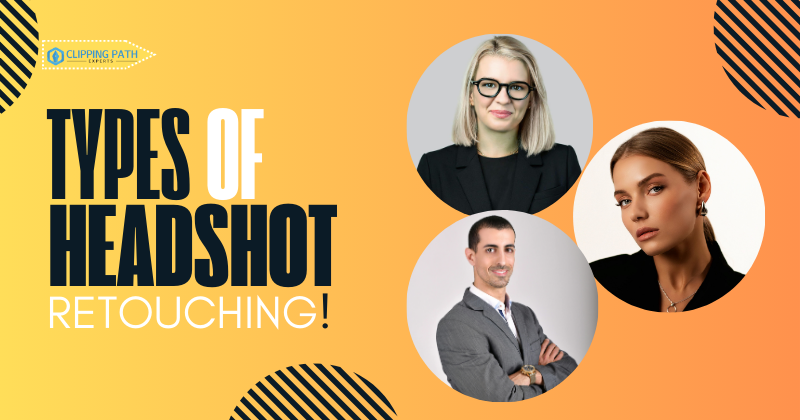
Not all headshots require the same edits. Choosing the right types of headshot retouching affects how professionals are perceived in resumes, portfolios, or LinkedIn profiles. Basic edits clean minor imperfections, while high-end retouching enhances skin, lighting, and overall polish. Specialized styles exist for corporate images and actor headshots, ensuring the photo aligns with its professional purpose.
Understanding the types of headshot retouching helps you select the most suitable approach, whether you need subtle improvements for business cards or detailed edits for portfolios. Professionals looking for consistent results often refer to comprehensive headshot retouching services for expert guidance and quality results.
What Are the Main Types of Headshot Retouching?
The types of headshot retouching generally fall into three categories: basic, professional, and high-end. Basic retouching fixes minor blemishes, stray hairs, and lighting issues, making it suitable for LinkedIn photos or quick updates. Professional retouching includes more detailed skin smoothing, color correction, and subtle facial enhancements, ideal for corporate images and business cards. High-end retouching goes further with editorial-quality adjustments, advanced skin texture work, and color grading, preferred for actors’ portfolios and commercial projects.
Selecting the right type depends on your goals and the platform. Professionals often combine basic or high-end retouching depending on the purpose of the headshot, while detailed workflows ensure consistency across images. You can reference the headshot retouching workflow for a step-by-step guide or compare results in high-end vs basic headshot retouching to decide the best fit.
What Does Basic Headshot Retouching Include?
Among the different types of headshot retouching, basic retouching focuses on light yet effective adjustments. Typical edits include removing temporary blemishes, smoothing skin while keeping texture natural, and making minor lighting or color balance corrections. These subtle changes ensure the photo looks polished without appearing heavily edited.
Basic retouching is often used for LinkedIn profiles, resumes, and standard corporate photos, where authenticity matters most. It helps present a professional image without the need for high-end, stylized work. For many professionals starting out, this level of editing provides the perfect balance of natural and refined.
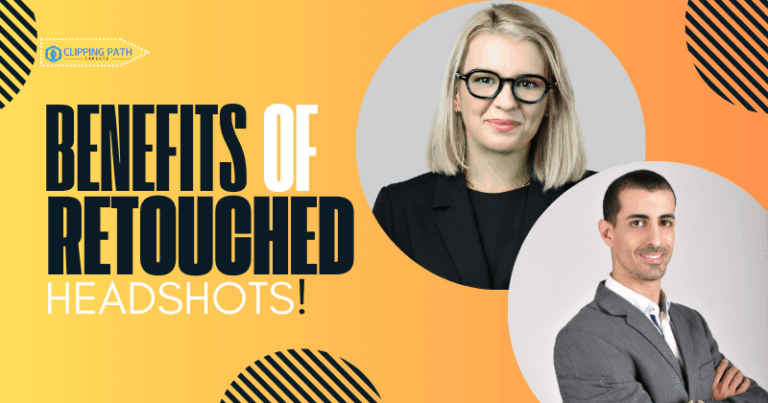
When weighing whether to choose basic or more advanced edits, it helps to understand how retouching contributes to overall image quality. You can explore the benefits in retouched headshots to see why even minimal adjustments can make a lasting impression.
| Feature | Before Basic Retouching | After Basic Retouching |
| Skin Texture | Visible blemishes, uneven tone | Smooth yet natural finish |
| Lighting Adjustments | Harsh shadows, dull highlights | Balanced and flattering light |
| Overall Presentation | Slightly unpolished, inconsistent | Professional and career-ready look |
What Is Professional Headshot Retouching?
Within the types of headshot retouching, the professional level goes beyond simple touch-ups and creates a more polished, premium look. This includes detailed skin tone correction, refined color balance, flyaway hair adjustments, and even subtle makeup enhancement to elevate the overall image while keeping it natural.
This level of retouching is most suitable for portfolios, premium corporate profiles, and business websites, where first impressions carry significant weight. For example, CEOs, entrepreneurs, and executives often rely on professional retouching to project authority and approachability simultaneously. High-tier LinkedIn profiles also benefit greatly from this standard, as it helps individuals stand out in competitive industries.
To understand how these enhancements fit into the editing pipeline, you can check workflow in headshot retouching and see how professionals refine every stage of the process.
What Is High-End or Editorial Retouching?
Among the more advanced types of headshot retouching, high-end or editorial work delivers a truly refined and polished finish. This level of retouching focuses on full skin texture control, precise color grading, and editorial-level polish that makes the final image suitable for the highest standards of publication.
High-end retouching is widely used in magazine features, acting portfolios, and marketing campaigns, where the headshot needs to balance visual perfection with a natural look. The goal is not to create an artificial appearance but to retain authenticity while achieving perfection, so the person still looks like themselves—only at their very best.
If you’d like to compare how advanced editing changes an image, you can see transformations in before and after headshot retouching for a clearer perspective.
Are There Industry-Specific Retouching Types?
Yes—different industries often require tailored types of headshot retouching to meet their unique goals. For actors and creatives, the focus is usually on emphasizing natural features while ensuring portfolio consistency across different roles and looks. This balance helps casting directors see both authenticity and versatility, which is why many professionals explore why actors need retouched headshots.
In the corporate world and on LinkedIn, retouching is aimed at clean, confident presentation that aligns with personal or company branding. Subtle polish, refined lighting, and professional toning make the headshot more effective as part of a brand’s digital presence—an approach detailed further in retouching for LinkedIn headshots.
For business cards, visibility at small sizes is key. Retouched headshots ensure clarity, memorability, and a polished finish even when scaled down. This makes a strong case for using retouched headshots for business cards to strengthen visual branding in print.
How to Choose the Right Retouching Type?
Selecting the right types of headshot retouching depends on your purpose, industry, and budget. For example, someone updating a simple LinkedIn profile might only need basic retouching, while an entrepreneur building a personal brand may benefit more from professional edits. On the other hand, actors, models, or those preparing for magazine features often require high-end or editorial retouching.
The decision also depends on the platform where the headshot will appear. Corporate websites and resumes may lean toward subtle, natural enhancements, whereas business cards and marketing campaigns often need a more refined polish. If you’re torn between options, it’s helpful to compare types in high-end vs basic headshot retouching to see what fits your goals best.
Ultimately, the right choice balances authenticity, professionalism, and visibility. If you want expert guidance tailored to your needs, our headshot retouching services at Clipping Path Experts can help you achieve the perfect result.
What Are the Costs and Turnaround Times?
When considering different types of headshot retouching, cost and delivery speed are key factors. Each retouching level comes with its own pricing and typical turnaround.
- Basic Retouching – Usually ranges from $5–$15 per image with a turnaround of 24–48 hours. This works best for quick LinkedIn updates, resumes, or standard corporate photos.
- Professional Retouching – Generally costs around $20–$50 per image, with delivery in 2–4 business days depending on complexity. This option is ideal for CEOs, entrepreneurs, or premium portfolios.
- High-End or Editorial Retouching – More advanced work may cost $60–$150 per image and take 5–7 business days or longer. It’s well-suited for magazine features, acting portfolios, or brand campaigns where detail and perfection matter.
Turnaround also depends on order volume—retouching 10 images will naturally take longer than a single portrait. If you’re planning a project, it’s best to balance your timeline with the depth of edits you need. For a detailed breakdown of service considerations, you can review choosing the right headshot retouching service.
Before-and-After Examples of Each Type
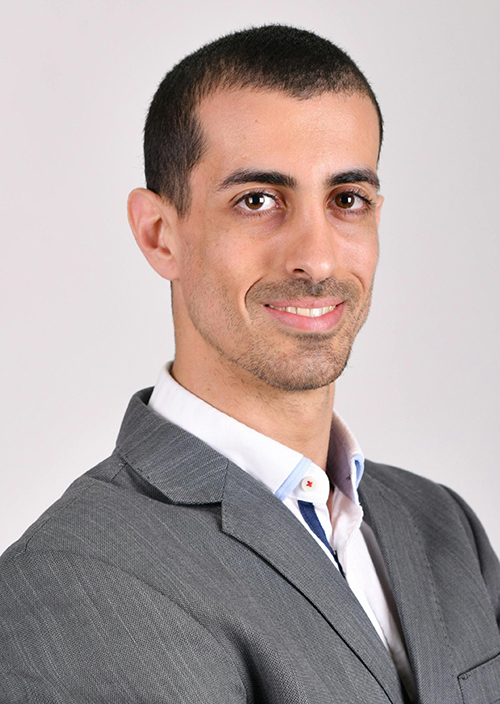
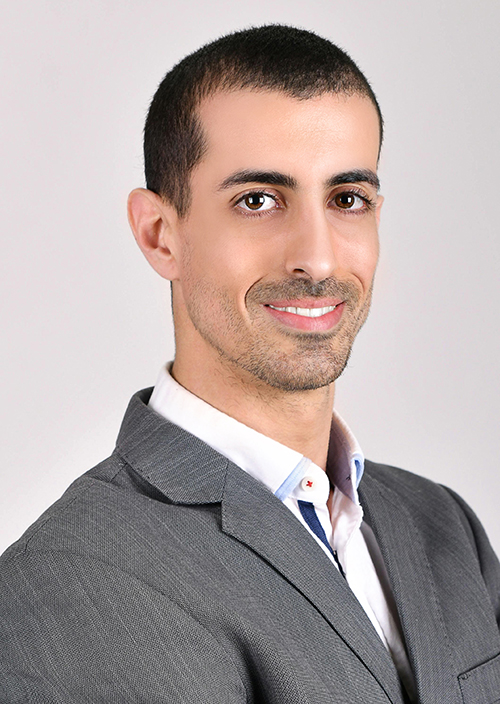
One of the best ways to understand the value of different types of headshot retouching is to see the results in action. Visual comparisons show how subtle or dramatic changes can elevate a headshot.
Basic Retouching
Basic headshot retouching focuses on subtle enhancements that create a clean, approachable look without heavy alterations. It’s designed to make the subject appear refreshed and professional while still looking natural. This level of editing works especially well for LinkedIn profiles, resumes, and other everyday professional uses where authenticity matters most.
This level of retouching usually includes:
- Minor background cleanup for a distraction-free result.
- Light blemish removal and gentle skin smoothing.
- Brightness and contrast adjustments to improve clarity.
- Skin tone uniformity (seamless blending)

Professional Retouching
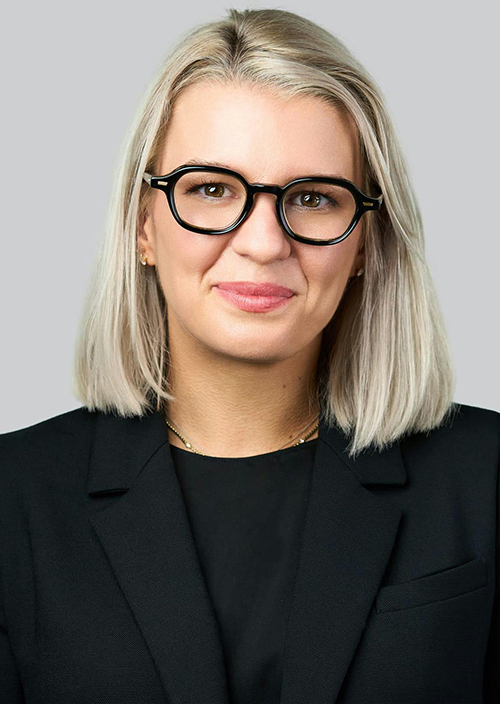
Professional headshot retouching refines and elevates the image, ensuring individuals look confident and authoritative. This is particularly effective for business websites, executive profiles, and leadership roles like CEOs or COOs, where projecting trust and professionalism is essential.
This type of retouching often includes:
- Balancing and evening out skin tones.
- Stray hair cleanup and subtle feature enhancements.
- Light makeup adjustments for a polished appearance.
- Sharpening and contrast for a crisp, professional finish.
High-End Retouching
High-end headshot retouching delivers an editorial-quality finish that stands out while keeping authenticity intact. It’s most often used by models, actors, and creative professionals who need portfolio-ready images or campaign-quality visuals to showcase their brand.
This advanced retouching usually involves:
- Skin texture refinement for a flawless yet realistic look.
- Cinematic color grading and tone adjustments.
- Detailed work on hair, makeup, and facial definition.
- Background and lighting enhancements for dramatic effect.
- Makeup enhancement
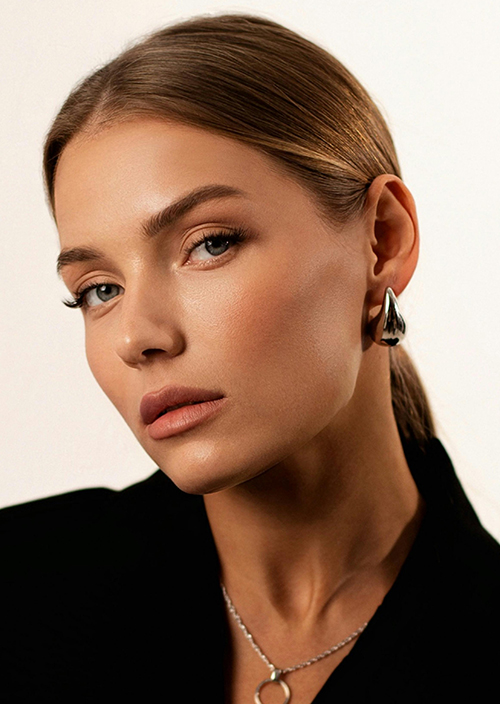

The differences may look subtle at first, but these refinements have a big impact on how polished and professional a person appears. To explore more real-life transformations, check out our dedicated guide on Before and After Headshot Retouching.
Conclusion
Headshot retouching isn’t one-size-fits-all — different types serve different professional needs. Whether it’s basic edits for a clean LinkedIn profile, professional-level adjustments for corporate websites, or high-end editorial retouching for portfolios, the right approach enhances perception, branding, and confidence.
Choosing the right level of retouching depends on your purpose, industry, and the impression you want to leave. For a deeper understanding, revisit our guides on What Is Headshot Retouching?, High-End vs Basic Headshot Retouching, and the Benefits of Retouched Headshots.
If you’re ready to elevate your professional image, consider working with experts. Explore our Headshot Retouching services at Clipping Path Experts for results that balance authenticity with polish.
FAQs: Types of Headshot Retouching
What are the different types of headshot retouching?
Headshot retouching can be categorized into:
- Basic Retouching: Minor edits like blemish removal and lighting correction.
- Professional Retouching: Detailed skin tone adjustments, subtle makeup enhancement, and refined lighting.
- High-End (Editorial) Retouching: Advanced skin texture work, background adjustments, and magazine-quality polish.
How do I choose the right retouching style for my profession?
The choice depends on your industry and platform. Corporate professionals often prefer subtle edits for authenticity, while actors or creatives may opt for high-end retouching for portfolios and marketing materials.
How does subtle retouching differ from heavy editing?
Subtle retouching preserves natural features, focusing on minor corrections. Heavy editing can alter appearance significantly, which may reduce authenticity in professional contexts.
Can AI tools help with headshot retouching?
Yes, AI-powered tools like Adobe Photoshop’s Neural Filters or Luminar AI can streamline retouching, automate adjustments, and enhance facial features efficiently while allowing manual fine-tuning for professional results.
What are the benefits of consistent retouching across platforms?
Consistent retouching ensures uniformity across LinkedIn, personal websites, and social media. This strengthens personal branding and conveys a cohesive professional image.
How do I prepare for a headshot session to minimize retouching needs?
- Wear solid colors and avoid busy patterns.
- Style hair and apply natural makeup.
- Get sufficient rest to look refreshed.
Proper preparation reduces editing time and ensures a polished outcome.
How long does the retouching process take?
- Basic Retouching: 1–2 hours.
- Professional Retouching: 3–5 hours.
- High-End Retouching: 5–10 hours or more, depending on detail and revisions.
What should I expect during the retouching process?
A professional retoucher will assess your photo, apply your chosen retouching type, provide previews for feedback, and make adjustments to ensure your headshot meets professional standards.
How can I ensure my retouched headshot aligns with my personal brand?
Share your brand vision, preferred style, and examples with your retoucher. This helps achieve consistency across platforms and aligns the headshot with your professional image.
Are there risks with over-retouching?
Over-retouching can create an artificial look, diminishing credibility. Professionals balance enhancements with authenticity to maintain a natural yet polished appearance.